- More
- Back

USA


I love them both, equally and differently, and the difference between them is what makes the difference matter.
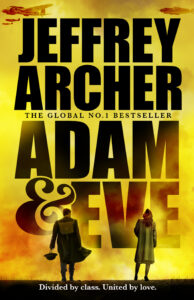
A novel is a discovery. I sit down on the first morning with the broad shape of the book in my head — the opening, the rough middle, a sense of how it ends — and then I write. The work happens, day by day, hour by hour, often in directions I had not predicted. By the end I have a six-hundred-page object that took eight to twelve months to draft and another six months to redraft, fourteen times at minimum, twenty if the book is Adam and Eve. The novel is a long discipline. It is also, I think, the most rewarding work any writer can do, because the novel that surprises its writer surprises its reader.
A short story is the opposite. You must know the end before you start.
A short story is three to five thousand words. That is not very many words for a writer to convey character, setting, conflict, twist, and resolution. There is no room for discovery. There is no room for the eighth-draft revelation. The architecture of a good short story is so tight that one weak paragraph collapses the whole thing. So you sit down knowing where the story ends, and you build backwards. The opening line has to do double duty — it has to grip the reader, and it has to plant the clue that pays off five thousand words later.
I have written ninety-five short stories. Seven collections: A Quiver Full of Arrows, A Twist in the Tale, Twelve Red Herrings, To Cut A Long Story Short, Cat O’Nine Tales, And Thereby Hangs a Tale, and Tell Tale. Three of the early stories were dramatised on Tales of the Unexpected, which I count as a small personal triumph because I grew up watching Roald Dahl present his stories on that programme and never imagined I would one day join him on it.
What I have learned from writing both, side by side, for half a century, is this. The novel teaches you how to sustain. The short story teaches you how to cut. The two skills support each other. The short story writer who only writes short stories tends, in my experience, to produce overdense novels — every sentence weighted as if it were the last one. The novelist who only writes novels tends to produce baggy short stories — every paragraph extending past its useful length. Writing both keeps the muscles honest.
If you are starting out, I would suggest writing both. Novels for the discipline of staying on a long project. Short stories for the discipline of structure. The combination teaches you more than either alone.
If you must choose: the short story is the harder craft. The novel is the harder commitment. Pick the one you are willing to commit to, and start there.